
News and Information
The Role of Electric Booster Heaters in Commercial Kitchen
October 13, 2026
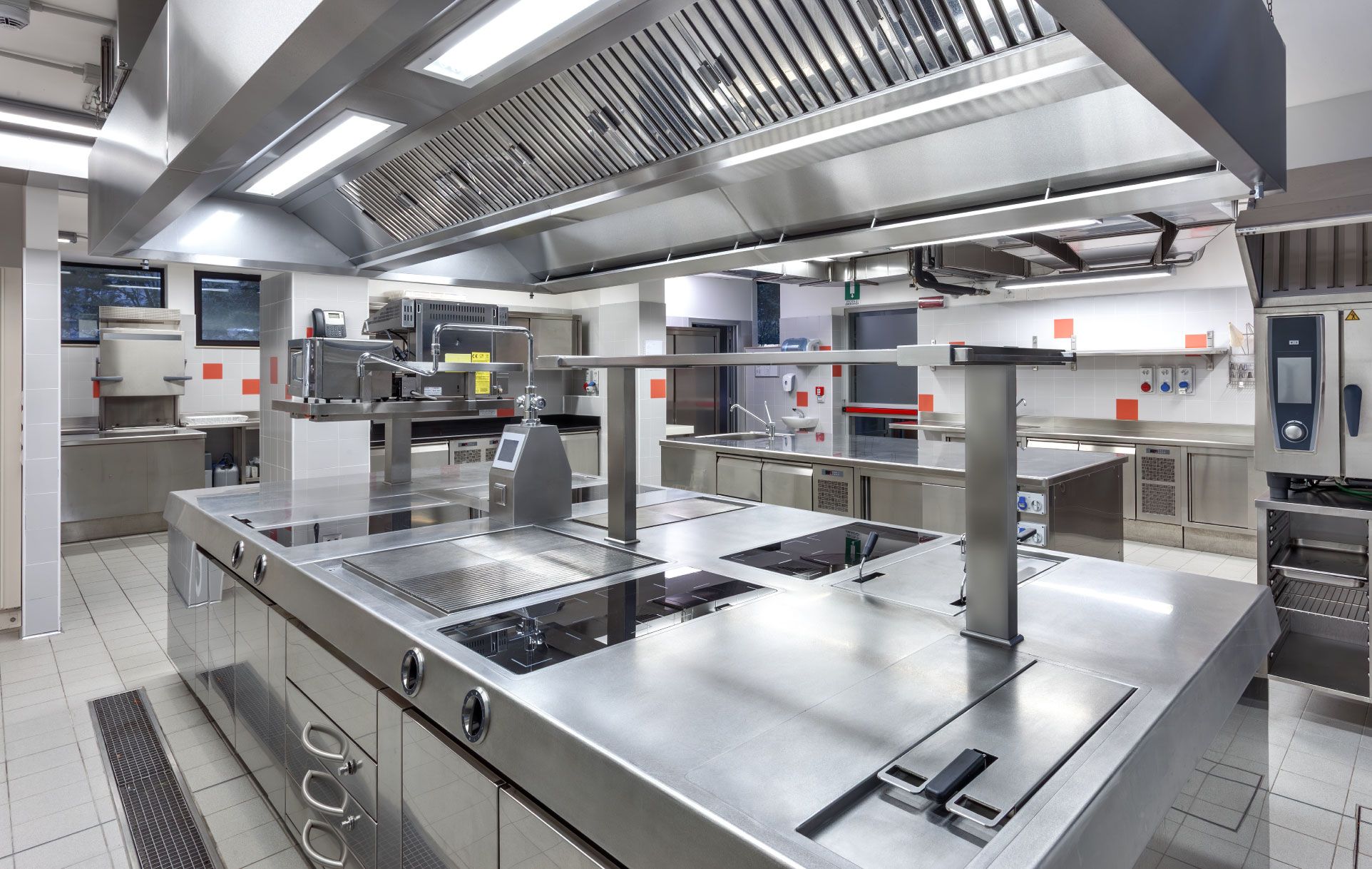
Historically, commercial kitchens have relied primarily on natural gas to heat water. One system fed everything – prep sinks, dishwashers, hand washing stations, mop sinks, and more. It was a simple and reliable approach. But in recent years, there’s been a rapid shift away from gas toward electric in commercial kitchens.
The Broader Electric Trend
The push toward switching commercial kitchens to electric from gas is driven by a mix of factors including regulations, sustainability goals, and operational efficiency. In many cities, operators are under pressure to cut energy use and emissions. Restrictions on new gas connections add to this challenge. Commercial kitchens are a primary focus, as they tend to use ten times more energy per square foot than the average commercial property, according to the EPA.
Existing kitchens have a choice – they can gradually switch over to electric or go electric al at once. But there is some resistance to the latter, as some chefs prefer cooking over an open flame. One way to address this is to introduce electricity to the kitchen in phases. The easiest place to is with water heating.
Water is heated “behind the scenes”. This makes it easier to transition water heating to electric, without disrupting kitchen operations. Chefs can keep cooking the way they are used to, while hot water is generated more reliably and efficiently.
Dishwasher Booster Heaters
Dishwashers present a unique challenge in foodservice environments. They require water that is 180° to meet health code sanitization requirements. Standard water heaters typically max out around 140°F, primarily for safety reasons. There’s a simple solution to this: electric booster heaters. They are compact, easy-to-install point of use heaters that will boost the temperature to 180°F, or whatever the required temperature is at the point of use.
Electric booster heaters are ideal for either a partially or fully electric commercial kitchen. If the changeover is just partial or happening gradually, electric booster heaters can be installed to replace older gas boosters. Gas cooking can continue. If the entire kitchen is being switched away from gas, electric booster heaters will reliably bring the water temperature up using only electricity.
Efficiency Benefits
Electric heaters convert 90-95% of their energy into usable heat, while gas heaters convert only 60-70%, according to the US Department of Energy. Hubbell electric booster heaters contribute to these impressive performance numbers due to a few key design considerations. A major factor is their digital control panel. This allows them to bring water to an exact temperature and hold it. Energy isn't lost by heating water that isn't being used, which often happens with storage water heaters. Additionally, with many kW and voltage options, our J3, J6, and J16 electric booster heaters are insulated to further increase efficiency and reduce operating costs.
Conclusion
As commercial kitchens move swiftly toward electric, water heating is a logical place to start. It makes the most sense technically, operationally, and economically. Above all, efficient energy use with minimal waste reduces the operation's carbon footprint.
Are you thinking about changing your commercial kitchen to electric? If so, consider our J3, J6 and J16 electric booster heaters. They are the longest lasting on the market and can be shipped same day! Learn more about them here, or reach out to our customer service team for more information or a quote.